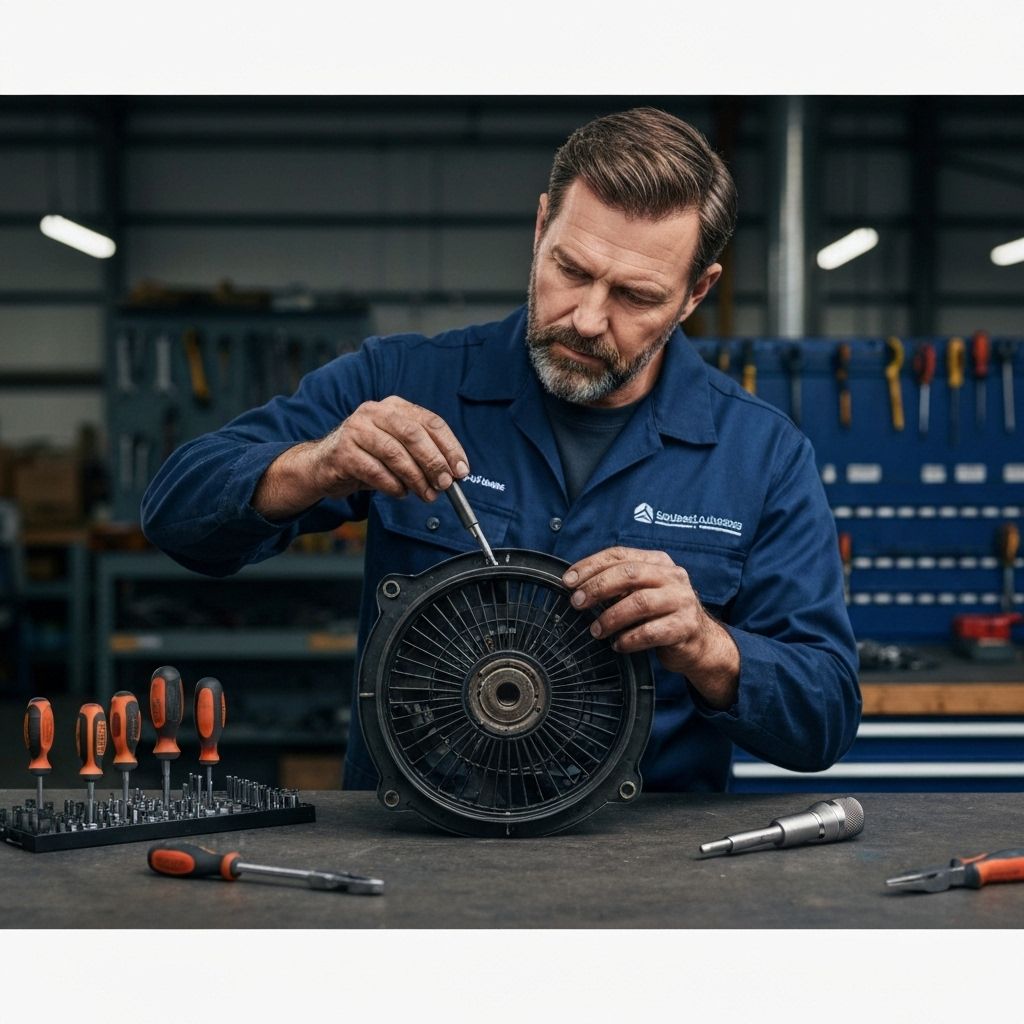
The inducer fan motor — also called the draft inducer, induced draft blower, or combustion air blower — is one of the most important components in your modern gas furnace. Yet most homeowners have never heard of it until it fails. Here is a complete guide to how inducer motors work and why they matter.
What Is an Inducer Fan Motor?
An inducer fan motor is a small but powerful electric motor attached to a squirrel-cage blower wheel, located at the entrance to the furnace's heat exchanger. Its primary job is to create a controlled flow of combustion air through the heat exchanger and exhaust gases safely out through the flue or vent pipe.
The Role of the Inducer in the Heating Sequence
In every modern furnace, the inducer motor starts first — before ignition, before the gas valve opens, before the main blower turns on. This is a deliberate safety design. Here is the full ignition sequence:
- Thermostat calls for heat
- Inducer motor starts and begins pulling air through the heat exchanger
- Pressure switch confirms proper airflow from the inducer
- Hot surface igniter or spark igniter activates
- Gas valve opens and burners ignite
- Main blower fan starts to circulate warm air through your home
- On shutdown: inducer continues briefly to purge combustion gases
Why the Pressure Switch Matters
The pressure switch is directly connected to the inducer motor. If the inducer is not spinning fast enough or is blocked, the pressure switch will not close, and the furnace will not ignite. This is a critical safety lockout that prevents dangerous incomplete combustion from occurring in your home.
Single-Stage vs. Two-Stage vs. Variable-Speed Inducers
Older and basic furnaces use single-stage inducer motors that run at one speed. Mid-efficiency furnaces may use two-stage inducers that run at low or high speed depending on demand. High-efficiency, modulating furnaces use variable-speed ECM (electronically commutated motor) inducers that precisely match airflow to the heating load — these are more efficient but also more complex and expensive to replace.
How Long Should an Inducer Motor Last?
A well-maintained inducer motor typically lasts 10–20 years depending on usage, humidity exposure, and the quality of the original motor. Motors in high-humidity environments like Vancouver's climate can have shorter lifespans due to moisture and corrosion. Annual HVAC maintenance can significantly extend motor life.
When to Repair vs. Replace
If your inducer motor is under 10 years old and the furnace is otherwise in good condition, repair or remanufacturing may be cost-effective. If the motor is over 10–12 years old, full replacement is usually the better long-term investment. Our technicians will always give you an honest assessment.
Understanding how your inducer motor works puts you in a better position to recognize problems early and make informed repair decisions. For professional inducer motor service across Metro Vancouver, call ROMA Heating & Cooling at 778-909-5731.
ROMA Heating & Cooling
A trusted HVAC contractor serving Metro Vancouver since 1999. With 50+ certified and insured technicians across Greater Vancouver, ROMA specializes in furnace repair, heat pump installation, boiler services, and emergency heating solutions for residential, commercial, and government clients.